
Contents
Are you tired of skyrocketing grocery bills and city life constraints that make self-sufficiency seem impossible? Rising food costs and limited urban gardening space trap many in a cycle of dependency. The self-sufficient backyard offers a practical escape, transforming even small plots into thriving food sources.
The Self-Sufficient Backyard is an empowering eBook that guides you toward creating a self-reliant homestead at home. This comprehensive resource breaks down complex ideas into beginner-friendly steps, making sustainable living accessible for novices. Whether you have a suburban yard or apartment balcony, it shows how to start small and build resilience.
What sets this guide apart are actionable strategies tailored for real-world application. You’ll learn companion planting to maximize yields in limited spaces, water harvesting using rain barrels to conserve resources, and DIY projects like building chicken coops from recycled materials. It also covers emergency preparedness to handle unexpected disruptions.
Imagine harvesting your own vegetables year-round, reducing store reliance, and gaining peace of mind with proven strategies. Ready to reclaim control over your food and future? Explore how this guide transforms your space starting today.
What Makes This Guide Different
Discover the self-sufficient backyard with this comprehensive eBook by Ron and Johanna, packed with over 40 years of hands-on expertise. It delivers scalable strategies to transform any property, from tiny urban lots to spacious rural spreads, into a hub of independence.
Ron and Johanna draw from decades of off-grid living to share proven self-sufficiency guides anyone can apply. Their approach includes food growing tips like cultivating year-round veggies without fancy equipment. Perfect for homesteading beginners, it breaks down complex ideas into simple steps that build confidence quickly.
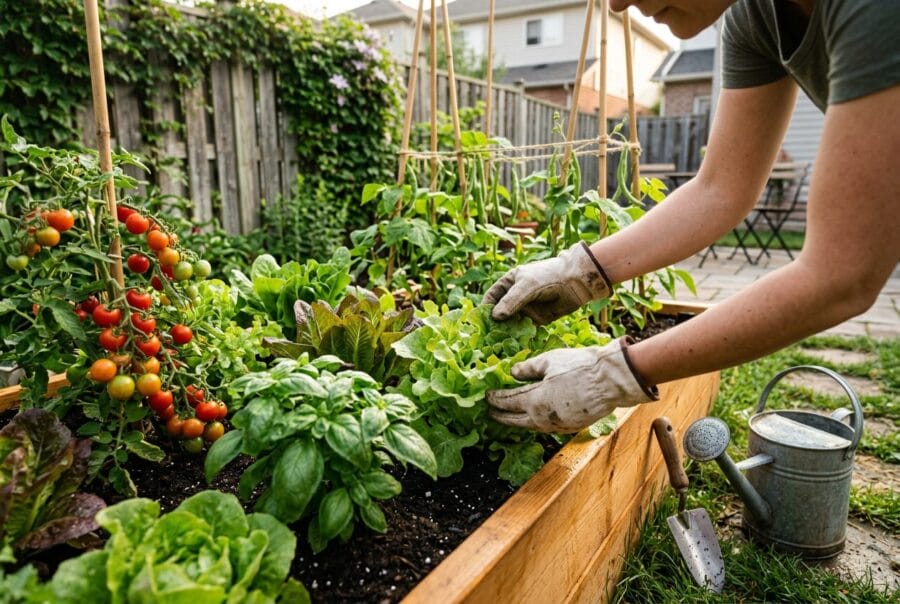
Explore water harvesting methods that capture rainwater efficiently, even in dry climates, ensuring steady supply for your needs. The eBook covers DIY homesteading projects like building affordable chicken coops or solar setups from everyday materials. Plus, it offers emergency preparedness plans to handle power outages or supply shortages with ease.
What sets The Self-Sufficient Backyard apart is its digital format, available instantly via download. No waiting for physical books that might be delayed; grab it now and start implementing ideas today.
Authors’ Credentials: Ron and Johanna’s 40+ years in self-reliant living make the blueprint authentic and tested.
Target Audience Fit: Ideal for homesteading beginners looking to escape rising costs and gain food security.
Key Benefits: Scalable plans turn small backyards into productive oases, promoting long-term savings.
Essential Features That Empower Self-Reliance
This comprehensive guide tackles common beginner hurdles like not knowing where to start with tools or basic skills. By providing step-by-step instructions, it turns overwhelming concepts into manageable actions, making self-reliance achievable for anyone.
At its core, the book offers over 100 DIY homesteading projects designed for hands-on implementation. These projects address pain points such as limited space or budget, guiding you through building chicken coops, composting systems, and solar setups. Each includes detailed materials lists and tips to avoid common mistakes, ensuring success even if you’re new to homesteading.
Food growing tips focus on creating productive gardens in your self-sufficient backyard. Learn to cultivate vegetables, herbs, and fruits with methods like raised beds and companion planting, which maximize yields without advanced equipment. Beginners appreciate how these tips simplify soil preparation and pest control, turning small plots into reliable food sources.
Water harvesting methods are explained with practical steps to collect and store rainwater efficiently. The guide covers building rain barrels and simple filtration systems, helping you reduce dependency on municipal supplies. This feature is perfect for those facing water scarcity, offering eco-friendly solutions that build long-term resilience.
Emergency preparedness plans equip you with strategies for power outages or supply disruptions. From creating food stockpiles to setting up off-grid energy, these plans provide peace of mind. They include checklists and timelines, making preparation easy without feeling overwhelmed.
- Self-sufficiency guides: Detailed blueprints for sustainable living, including energy independence and waste management
- DIY homesteading projects: Over 100 entry-level ideas like beehives or herb spirals, optimized for beginners
- Food growing tips: Seasonal planting guides and organic techniques to boost your harvest
- Water harvesting methods: Instructions for DIY cisterns and greywater systems with safety considerations
- Emergency preparedness plans: Customizable templates for family safety, integrating all features seamlessly
Specifications enhance credibility and accessibility. ISBN: 978-1-7324326-0-4 ensures it’s a legitimate, high-quality resource. Available in paperback, eBook, and audiobook formats across platforms like Amazon and Barnes & Noble, it fits any lifestyle.
These features directly solve beginner challenges by offering knowledge without needing expensive tools upfront. Imagine transforming your yard into a thriving, self-sufficient backyard with just this guide. Want to see how others succeeded? Check out verified customer reviews and real results.
Practical DIY Projects You Can Start This Weekend
Dive into DIY homesteading projects with The Self-Sufficient Backyard, perfect for creating a self-sufficient backyard. These self-sufficiency guides offer practical food growing tips and water harvesting methods designed for homesteading beginners, making it easy to start without breaking the bank.
Signature projects include rainwater systems using affordable barrels and pipes, with step-by-step instructions that guide you through setup in just a weekend. Garden setups focus on raised beds from recycled materials, helping you grow veggies like tomatoes and herbs right away. Emergency preparedness plans add value, covering basics like food storage on a budget.
Low-cost materials: Keep startup expenses under $100 for most builds
Digital format: Allows instant downloads after purchase
Quick wins: Build confidence, encouraging more advanced homesteading steps
Growing Food and Harvesting Water Made Simple
Transforming your self-sufficient backyard into a reliable source of sustenance starts with simple, scalable strategies. For homesteading beginners, focus on food growing tips that address food insecurity, even in small spaces. These methods build resilience through DIY homesteading projects and emergency preparedness plans.
Start with container gardening: Use raised beds to grow vegetables like tomatoes and herbs, needing basic tools such as soil testers and watering cans for bundled efficiency. Implement companion planting to maximize yields by pairing crops like beans and corn in limited areas, reducing pests naturally without chemicals.
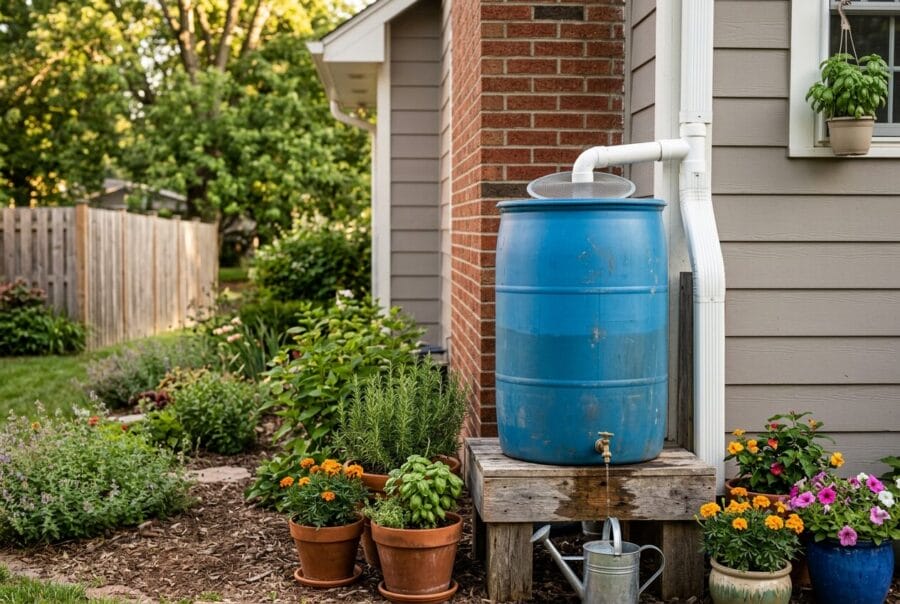
For water harvesting methods, install rain barrels to collect rooftop runoff easily, scalable for small backyards. Filters and pumps serve as essential add-ons to ensure clean supply. Explore these self-sufficiency guides to bundle tools and enhance your setup.
Preparing for Emergencies with Confidence
In today’s uncertain world, having solid emergency preparedness plans can ease fears of instability. The Self-Sufficient Backyard offers practical self-sufficiency guides to help you thrive off-grid during crises. It covers essential strategies like water harvesting methods and food growing tips to keep your family secure.
This book positions itself as a must-have for proactive buyers starting homesteading for beginners. Learn DIY homesteading projects that build resilience against disruptions. Whether facing power outages or supply chain issues, its plans empower you to adapt.
- Turn a suburban yard into a self-sufficient backyard with rainwater collection
- Prepare for natural disasters by growing your own food in small spaces
- Create backup systems for water and energy to handle emergencies confidently
Real-World Benefits That Transform Your Life
Struggling with skyrocketing grocery bills? Imagine transforming your yard into a self-sufficient backyard that slashes expenses while boosting independence. The Self-Sufficient Backyard guide delivers practical tools to make this reality, helping you break free from store dependency.
One major benefit is significant cost savings. By following food growing tips, you can harvest your own produce year-round, cutting monthly bills by up to 50%. Plus, water harvesting methods ensure you’re not wasting resources, turning rainwater into a free supply.
Another advantage lies in mindset shifts toward sustainability. This guide fosters a proactive approach, teaching DIY homesteading projects that build resilience against shortages. You’ll gain practical skills like emergency preparedness plans, empowering you to handle disruptions with confidence.
Cost savings on essentials: Grow veggies and herbs to reduce shopping trips and expenses
Mindset transformation: Shift from consumer dependency to self-reliance with beginner-friendly tips
Skill-building for life: Master water harvesting and DIY projects for long-term security
For urban dwellers, this guide offers clever space-saving ideas. Even on a small apartment balcony, you can apply homesteading techniques to create a mini self-sufficient backyard. Say goodbye to pricey organic produce by growing your own, easing city living costs.
Families benefit from hands-on bonding activities. Involve kids in food growing tips and DIY homesteading projects, teaching valuable skills while cutting food waste. It’s a fun way to build emergency preparedness plans, ensuring your household thrives independently.
Off-grid enthusiasts will love the advanced strategies. Dive into comprehensive self-sufficiency guides for remote setups, including water harvesting methods that sustain you without utilities. Alleviate worries about infrastructure failures with tailored plans for your self-sufficient backyard.
Weighing the Strengths and Limitations
Considering a guide like The Self-Sufficient Backyard? It’s important to weigh strengths against limitations. This balanced view helps you decide if it fits your homesteading goals.
Pros:
Accessibility for all skill levels makes it ideal for creating a self-sufficient backyard, with clear guides even novices can follow
Comprehensive projects cover food growing tips, water harvesting methods, and DIY homesteading projects for long-term independence
Strong emergency preparedness plans add real value, helping families build resilience through detailed strategies
Cons:
Lack of regional adaptations means some advice might not suit specific climates, requiring users to tweak methods accordingly
A learning curve exists for absolute newcomers, as advanced DIY projects could feel overwhelming without prior experience
Overall, the pros far outweigh the minor cons, especially for those eager to start. It delivers immense value through thorough content, making it a smart choice despite small gaps. Curious about how it works in practice? See real customer transformations and success stories.
What Real Users Are Saying
Customers rave about The Self-Sufficient Backyard for turning ordinary yards into thriving havens. Many highlight its practical guides that make homesteading for beginners accessible and rewarding. From Amazon to Reddit, users praise how it counters doubts about DIY projects by offering step-by-step instructions that build confidence.
One Amazon reviewer shared: “As a newbie, this book’s food growing tips transformed my small plot into a self-sufficient backyard oasis; we harvested our first veggies in weeks!” This addresses skepticism around feasibility, showing real results with minimal tools. Another noted the water harvesting methods: “I set up a simple rain barrel system following the plans, and it’s a game-changer for emergency preparedness.”
On Reddit, discussions echo these sentiments, with users posting before-and-after photos of their DIY homesteading projects. A thread participant said: “Skeptical at first, but the self-sufficiency guides made building a compost bin easy; now my family feels more secure.” Common praises focus on the book’s comprehensive emergency preparedness plans, which users say provide peace of mind during uncertain times.
How It Compares to Other Homesteading Resources
When exploring self-sufficiency guides, it’s easy to feel overwhelmed by options like “The Encyclopedia of Country Living” or various permaculture books. These resources offer broad knowledge on rural living and sustainable practices, but they often lack the hands-on DIY focus that beginners crave.
To make choosing easier, here’s a quick comparison addressing common pain points like depth of practical advice and beginner accessibility:
| Resource | Strengths | Gaps | Self-Sufficient Backyard Edge |
|---|---|---|---|
| Encyclopedia of Country Living | Comprehensive traditional skills like canning | Overly broad, little on modern methods | DIY projects for urban backyards with step-by-step tips |
| Permaculture Guides | Emphasizes ecosystem design and sustainability | Often theoretical, missing emergency plans | Actionable guides with water harvesting and easy projects |
This comparison shows how “The Self-Sufficient Backyard” stands out for homesteading beginners by bridging gaps in practicality and personalization. While alternatives provide solid foundations, they may not address your specific backyard setup or regional climate needs as effectively.
Common Questions Answered
Is The Self-Sufficient Backyard suitable for small properties?
Yes, this guide is perfect for compact spaces, offering space-saving self-sufficiency guides and food growing tips. It helps overcome space limitations by teaching efficient layouts for a self-sufficient backyard.
What skills do I need for homesteading for beginners?
No advanced skills are required; it’s designed for homesteading beginners with step-by-step instructions. Pain points like basic tool handling are addressed through simple DIY homesteading projects.
What tools are needed to start a self-sufficient backyard?
You’ll need basic items like shovels, rain barrels, and seeds, all outlined in the guide. It minimizes costs by focusing on everyday tools for water harvesting methods and food growing tips.
How does it help with food growing in a self-sufficient backyard?
The book provides practical food growing tips, from raised beds to companion planting for optimal yields. Beginners can tackle common hesitations like soil quality with easy-to-follow advice.
What water harvesting methods are included for homesteading beginners?
It covers simple techniques like rainwater collection and graywater systems to build self-sufficiency. These methods address water scarcity pain points without needing expert knowledge.
Are there DIY homesteading projects in The Self-Sufficient Backyard?
Absolutely, with projects like building chicken coops or solar dehydrators that suit small yards. They empower homesteading beginners by turning ideas into actionable plans.
Does it include emergency preparedness plans?
Yes, it features detailed emergency preparedness plans, including food storage and off-grid strategies. This helps alleviate worries about self-reliance during crises.
Taking Your First Steps Toward Independence
The Self-Sufficient Backyard stands out as an essential guide for anyone aiming to build a truly self-sufficient backyard. It empowers you with practical strategies for self-reliance, from cutting grocery bills through homegrown produce to saving on utilities via smart water harvesting. This book not only fosters long-term savings but also equips you to thrive amid economic uncertainties, making every tip actionable and rewarding.
What makes it ideal for newcomers? It breaks down complex ideas into simple steps, perfect for beginners navigating tough times. You’ll gain confidence in creating a resilient homestead without overwhelming expertise.
Discover self-sufficiency guides that cover everything from soil preparation to energy solutions
Learn food growing tips for year-round harvests, reducing your reliance on stores
Explore water harvesting methods to ensure a steady supply, even in dry spells
Tackle DIY homesteading projects like building chicken coops or solar setups
Prepare with emergency plans that safeguard your family during crises
Embrace empowerment and take control of your future. Start your homesteading journey today with proven strategies that work.