
Contents
Most people fall in love with the idea of homesteading long before they’re actually prepared for it. The gap between dreaming about collecting eggs at sunrise and genuinely managing livestock, soil, finances, and physical labor is bigger than most expect. Knowing where you stand before making major commitments saves money, heartbreak, and a lot of dead chickens.
Here are the real signs that separate genuine readiness from wishful thinking.
You’ve Already Started Practicing, Not Just Researching
The most reliable readiness signal isn’t what you want to do; it’s what you’re already doing. If you’ve grown a container garden, preserved a batch of jam, or kept backyard chickens, you’ve already tested your commitment at low stakes. As one experienced homesteader on Reddit put it, “Start a small garden with easy-to-grow things your first year to find success, versus taking on too much and failing.”
People who are truly ready don’t wait for the perfect property. They practice now, wherever they are.
You’re Comfortable With Failure and Physical Discomfort
Crops die. Animals get sick. Harvests disappoint. If setbacks send you spiraling rather than problem-solving, the daily realities of homesteading will wear you down fast. Physical readiness matters just as much; expect lifting, digging, hauling, and working in all weather, often without breaks.
Ask yourself honestly: do you bounce back from failure with curiosity, or does it feel defeating? Your answer matters more than your enthusiasm.
Your Finances Can Absorb the Startup Reality
This is the most overlooked readiness factor in nearly every beginner’s guide. One small farm community member put it plainly: “Pencil out your financials. Have an idea of what your fixed expenses will be, including property tax, insurance, and permits. Water is huge. Know where your water is coming from.”
Before committing, you need a clear picture of land costs, infrastructure expenses, and at least six months of living expenses saved as a buffer. Income from a homestead rarely materializes in year one, and often not in year two either.
Your Household Is Aligned, Not Just Tolerant
Partner resistance is one of the top reasons homesteading attempts collapse. If your spouse or family members are skeptical but passive, that’s not alignment; that’s a delayed conflict. True readiness means the people sharing your life actively support the vision, or better yet, participate in it.
Have the real conversations before signing any paperwork. A homestead built on one person’s dream and another’s reluctant compromise rarely survives the first hard season.
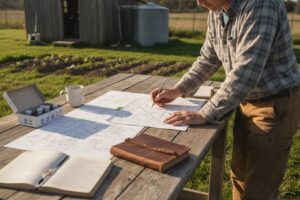
You Think in Systems, Not Aesthetics
Jenna Woginrich of Cold Antler Farm describes the homesteading mindset well: “Homesteading is an open-world game and you’re the main character focused on cooking, mounts, and player housing.” Ready homesteaders think about how things work together, not just how they look on Instagram.
If you’re drawn to the function of composting, water catchment, crop rotation, and animal integration rather than just the aesthetic, your thinking is already in the right place. You can find a deeper breakdown of the essential skills needed before starting a homestead at Homesteading Family, which outlines seven competency areas worth building now.
You Prefer Providing Over Purchasing
Self-sufficiency has to be intrinsically motivating, not just intellectually appealing. If you genuinely feel more satisfied making something yourself than buying it, whether that’s bread, a repaired fence, or a jar of preserved tomatoes, that satisfaction will carry you through the hard days.
This isn’t about ideology. It’s about whether the daily grind of homesteading feeds you emotionally or drains you.
You’ve Assessed Your Land, Not Just Fallen in Love With It
Property readiness is just as important as personal readiness. According to Generation Acres Farm’s guidance on starting a homestead, critical property factors include whether surrounding land is developed, whether soil percolates properly for drainage, and whether internet access supports your income needs.
Falling in love with acreage before evaluating water source, soil quality, and zoning restrictions is a common and expensive mistake. If you already know how to assess land before buying, you’re ahead of most aspiring homesteaders.
The 3 Signs You’re Not Ready Yet
Haven’t tested anything hands-on: Pure research without practice means you’re still in the fantasy stage. Start somewhere small before scaling up.
Budget is still theoretical: If you haven’t actually run the numbers on startup costs, monthly expenses, and income timelines, you’re not financially ready to move forward.
Expecting quick returns: Homesteading builds slowly. If you need it to pay off within a year, that timeline mismatch will break the project before it has a chance.
Readiness isn’t a single moment; it’s a pattern of small, consistent actions that prove you can handle what’s coming. If you’re building skills, testing your commitment, and planning your finances honestly, you’re already moving in the right direction. Our complete homesteading beginner’s guide covers the next practical steps once you’ve confirmed you’re ready to move forward.